ヨウガントカゲ, Microlophus albemarlensis
- 和名: ヨウガントカゲ(?), English: Galapagos lava lizard, Espanol: Lagartijas de lava, Binomial name: Microlophus albemarlensis (Baur, 1890)
- 爬虫綱 > 有鱗目 > トカゲ亜目 > イグアナ下目 > イグアナ科 > ?ヨウガントカゲ亜科 > Microlophus属 > M. albemarlensis
- Order: Squamata > Suborder: Lacertilia > Infraorder: Iguania > Family: Iguanidae > Subfamily: Tropidurinae > Genus: Microlophus > Species: M. albemarlensis
イサベラ島内陸部散策, Landing and observation of the Isabela Island
- 2015年9月13日、午前: イサベラ島内陸部散策
- On September 13, 2015 in the morning: landing and observation of the Isabela Island.

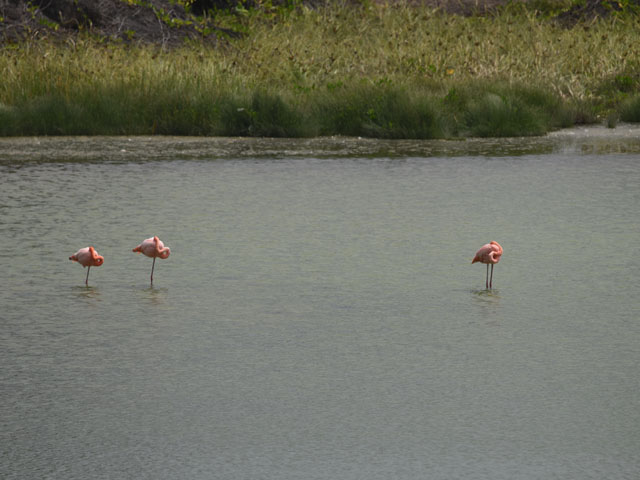
混載バスは最初、フラミンゴの池に停車した。この池は汽水湖であり、ブラインシュリンプが大量に発生するとの説明だ。この餌が豊富なためフラミンゴがこの池に飛来する。フラミンゴの他にカモ、カモメ、バンも見た。
The consolidation bus stopped first at the pond of flamingo. We heard that this pond is a brackish water lake and large amount of brine shrimp lives. Flamingos come flying in this pond to have the bait. I saw duck, gull and gallinule other than the flamingo.
(Isabela Island, Ecuador, 09:58, 10:03, September 13, 2015, SX50, D810)

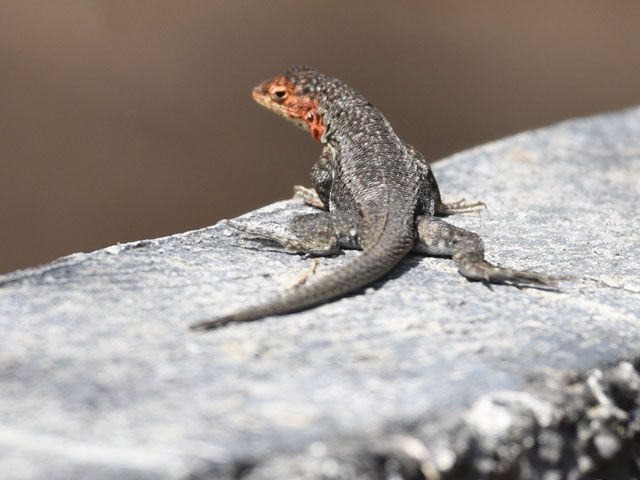
ここにも小さいトカゲがいる。There is a small lizard here, too.
南アメリカには約20種のTropidurid属トカゲが生息するが、その中で6種がガラパゴス諸島の固有種であり、一般にヨウガントカゲ, lava lizardsと呼ばれている。ヨウガントカゲの分布とその体形、色、動作はこの諸島の生息域に極めて特徴的な適応放散の現象である。
Wikipedia: Microlophus is a genus of Tropidurid lizards native to South America. There are around twenty recognized species and six of these are endemic to the Galapagos Islands where they are popularly known as lava lizards. The distribution of the lava lizards and their variations in shape, colour and behaviour show the phenomenon of adaptive radiation so typical of the inhabitants of this archipelago.
(Isabela Island, Ecuador, 10:20, September 13, 2015, D810)