グアヤキルのパンタナール動物園, Pantanal Zoo in Guayaquil
- 観光ポイント: パンタナール動物園はグアヤキルから15分の場所にあります。この場所で訪問者は野生動物の生息地に近づき 大変な希少種を近くから観察できます。このことは称賛に値し、この動物園を世界の最も素晴らしい動物園のレベルに置くものです。 (公式ウェブサイト の一部を翻訳、このページ最後に全文を引用)
- Attractions: El Pantanal Zoo, located 15 minutes from Guayaquil, is a magical place that approaches the visitor to the animal habitat and allows them to see very rare species closely, which are worthy of admiration and puts the zoo at the same level of the best zoos in the world.
- 2016年4月、日本とエクアドルで巨大地震が発生し、震源地近くに住む人々は大災害フェーズに陥れられた。 現在、通常生活フェーズへ復帰するために多くの人々による懸命の活動が続いている (April 21, 2016)。
- In April, 2016, large earthquakes occurred in Japan and Ecuador, and the people who lived near the epicenter were entrapped into a great disaster phase. The strenuous activity by many piople contines now to return to a normal life phase (April 21, 2016).
グアヤキル空港, Guayaquil Airport


Baltra空港から飛行機で約100分、Guayaquil空港に着いた。時差があり1時間時間を進めた。
We arrived at the Guayaquil Airport from the Baltra Airport by air for about 100 minutes.
There was time difference and pushed forward time for one hour.
(Guayaquil airport, Ecuador, 16:24, 17:07, September 15, 2015, FinePix F30)


Guayaquil空港には蘭の花壇や錦鯉のいる池が設置してある。
The flower bed of the orchid and the pond where the Nishiki-goi (colored carp) lives are installed in the Guayaquil Airport.
(Guayaquil airport, Ecuador, 17:16, September 15, 2015, FinePix F30)


Guayaquil空港の入口の所に池が作ってありニシキゴイが泳いでいる。ここでムクドリモドキと思われる小鳥を見た。
There is an artificial pond at the entrance of the Guayaquil Airport and the Nishiki-goi swims.
I saw a small bird like New World blackbird here.
(Guayaquil airport, Ecuador, 17:23, September 15, 2015, FinePix F30)


ここはGuayaquilで宿泊したRamadaホテルです。朝食は7時からだ。
This is the Ramada hotel where we stayed in Guayaquil. The breakfast is from 7:00.
(Guayaquil, Ecuador, 07:10, 08:29, September 16, 2015, FinePix F30)
パンタナール動物園, Zoo El Pantanal


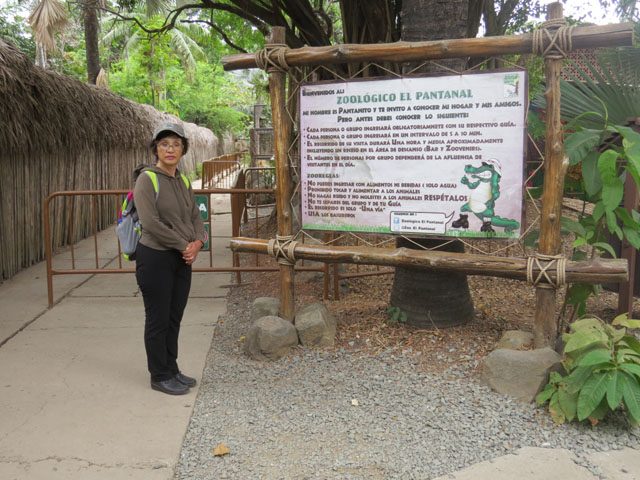
エクアドルを去る前に、インターネット検索で知ったPantanal動物園にタクシーで行った。 ZOO EL PANTANALの大きい看板が道路横にあった。動物園の入園料は大人$6だった。
ここには、ゾウガメ、サル、クマ、ジャガー、トラ、ライオン、ワニ、ワシ、フクロウ、インコ、ヘビ、カエル、熱帯魚など、沢山の種類の動物がいました。以下ほんの一部の紹介です。
We went to the Pantanal Zoo which we knew by internet search by taxi (about 30 min, $25) before leaving Ecuador. There was a big signboard of ZOO EL PANTANAL on the road side. The entrance fee of the Zoo was $6 per an adult.
7:57 - Taxi - 8:25 Zoo el Pantanal, $25.00, 9:00 entrance fee $6/adult
(Zoo el Pantanal, Ecuador, 08:36, 08:29, September 16, 2015, FinePix F30)
ガラパゴスゾウガメ, Galapagos tortoise


和名: ガラパゴスゾウガメ, English: Galapagos tortoise, Binomial name: Geochelone nigra (Quoy & Gaimard, 1824)
カメ目 > リクガメ科 > リクガメ属 > ガラパゴスゾウガメ
Order: Testudines > Family: Testudinidae > Genus: Geochelone > Species: C. nigra
(Zoo el Pantanal, Ecuador, 09:09, September 16, 2015, SX50)
真猿類のピグミーマーモセット, True monkey, Pygmy marmoset
 人間の指にしがみつくほど小さいとは驚きだ。
パンタナール動物園に入った。無料のガイドが案内と説明をしてくれた。これはかつて世界一小さいサルと言われていたピグミーマーモセットだ。真猿類なのにどうしてこんなに小さい体に進化したんだろう?人間の指にしがみつくほど小さいとは驚きだ。
We entered the Zoo. A free guide introduced and explained each animal of the Zoo. This is the Pygmy marmoset which was once said as the world’s smallest monkey. Why does this monkey evolved to a so small body even though it belongs to the true monkey? I am amazed to see to be so small as to cling to a human finger.
(Zoo el Pantanal, Ecuador, 09:17, September 16, 2015, SX50)
原始的な猿、ワオキツネザル, Primitive monkey, Ring-tailed lemur


Wikipedia: ワオキツネザル(輪尾狐猿、学名 Lemur catta)は、霊長目キツネザル科に分類されるサルの1種。本種のみでワオキツネザル属 Lemur を形成する。
マダガスカル島南部および南西部固有種。他のキツネザルの生息域より高地にも生息する。
Wikipedia: The ring-tailed lemur (Lemur catta) is a large strepsirrhine primate and the most recognized lemur due to its long, black and white ringed tail. It belongs to Lemuridae, one of five lemur families, and is the only member of the Lemur genus. Like all lemurs it is endemic to the island of Madagascar.
和名: ワオキツネザル, English: Ring-tailed lemur, Espanol: Lemur de cola anillada, Binomial name: Lemur catta (Linnaeus, 1758)
哺乳綱 > 霊長目 > 曲鼻猿亜目 > キツネザル科 > ワオキツネザル属 > ワオキツネザル
Class: Mammalia > Order: Primates > Suborder: Strepsirrhini > Family: Lemuridae > Genus: Lemur (Linnaeus, 1758) > Species: L. catta
(Zoo el Pantanal, Ecuador, 09:21, September 16, 2015, SX50)
トキイロコンドル, King vulture


Wikipedia: トキイロコンドル(Sarcoramphus papa)は、動物界脊索動物門鳥綱タカ目コンドル科トキイロコンドル属に分類される鳥。本種のみでトキイロコンドル属を形成する。特定動物。
熱帯雨林やサバンナ等に生息する。
食性は動物食で動物の死骸を食べる。英名のKingは小型のコンドルが発見した獲物を横取りする例があることから、小型のコンドルの王様と思われたことが由来で、コンドル(オオコンドル)よりは小型。
Wikipedia: The king vulture (Sarcoramphus papa) is a large bird found in Central and South America. It is a member of the New World vulture family Cathartidae. This vulture lives predominantly in tropical lowland forests stretching from southern Mexico to northern Argentina. It is the only surviving member of the genus Sarcoramphus, although fossil members are known.
和名: トキイロコンドル, English: King vulture, Espanol: Zopilote rey, Binomial name: Sarcoramphus papa (Linnaeus, 1758)
タカ目 > コンドル科 > トキイロコンドル属 > トキイロコンドル
Order: Cathartiformes > Family: Cathartidae > Genus: Sarcoramphus (Dumeril, 1805) > Species: S. papa
(Zoo el Pantanal, Ecuador, 09:26, September 16, 2015, SX50)
シロハラホウカンチョウ, Salvin's curassow


Wikipedia: The Salvin's curassow (Mitu salvini) is a species of bird in the Cracidae family. It is found in Colombia, Ecuador, and Peru. Its natural habitat is subtropical or tropical moist lowland forests. A prized game bird, the Salvin's curassow is declining throughout the human-inhabited areas of its range, which also includes Colombia and eastern Ecuador. But the turkey-size bird seems to be doing well in areas without hunting pressures.
日本語訳: サルヴィンホウカンチョウ(シロハラホウカンチョウ)はホウカンチョウ科の鳥の一種である。この鳥はコロンビア、エクアドル、ペルーで見られる。その自然の生息領地は亜熱帯や熱帯の湿った低地林である。
上等の狩猟鳥であり、サルヴィンホウカンチョウは人間の居住地域全体で減少している、それはコロンビアとエクアドル東部を含む。しかし、狩猟の恐れのない地域ではこの七面鳥サイズの鳥はうまく生きているようだ。
(Zoo el Pantanal, Ecuador, 09:35, 09:36, September 16, 2015, SX50)
カイマン, Caiman


ここでゾウガメと大小さまざまな大きさのカイマンが飼育されていた。
Galapagos tortoises and caimans of various size were bred here.
Wikipedia: カイマン亜科(Caimaninae)は、ワニ目アリゲーター科のワニである。アリゲーター亜科と並び、アリゲーター科の主要な系統の1つである。カイマン亜科のワニは、中央アメリカ及び南アメリカに生息する。比較的小さく、ほとんどの種は体長数mにしか達しない。最も小さい種はコビトカイマンで成長すると1m程になる。最も大きい種はクロカイマンで、成長すると4m以上になる。体長12m程度になるPurussaurusや、同程度の大きさに成長し、幅広のアヒルのような口吻を持つMourasuchus等の絶滅種も知られている。
Wikipedia: A caiman is an alligatorid crocodilian belonging to the subfamily Caimaninae, one of two primary lineages within Alligatoridae, the other being alligators.
Caimans inhabit Central and South America. They are relatively mid-small sized crocodilians, with the smallest being Cuvier's dwarf caiman (Paleosuchus palpebrosus), which grows to 1 m long, and the largest being the black caiman (Melanosuchus niger), which can grow to 5 m or more.
(Zoo el Pantanal, Ecuador, 09:37, September 16, 2015, SX50)
オウギワシ, Harpy eagle


Aguila harpiaだ!このワシが飼育されているとは予想していなかった。金網の目が粗かったのでワシが自然林にいるかのような写真を撮れた。よかったよかった。
This is the Aguila harpia! I did not expect that this eagle was bred here. It was good that I was able to take the photos as if the bird was in natural forest because the mesh of the net was coarse.
(Zoo el Pantanal, Ecuador, 09:40, 09:42, September 16, 2015, SX50)
ジャガー, Jaguar


和名: ジャガー, English: Jaguar, Espanol: Jaguar, Binomial name: Panthera onca (Linnaeus, 1758)
哺乳綱 > 食肉目 > ネコ科 > ヒョウ属 > ジャガー
Class: Mammalia > Order: Carnivora > Family: Felidae > Genus: Panthera > Species: P. Onca
(Zoo el Pantanal, Ecuador, 09:43, September 16, 2015, SX50)
ホロホロチョウ, Helmeted guineafowl


和名: ホロホロチョウ, English: Helmeted guineafowl, Espanol: Pintada comun, Binomial name: Numida meleagris (Linnaeus, 1758)
キジ目 > ホロホロチョウ科 > ホロホロチョウ属 > ホロホロチョウ
Order: Galliformes > Family: Numididae > Genus: Numida > Linnaeus, 1764 > Species: N. Meleagris
(Zoo el Pantanal, Ecuador, 10:00, September 16, 2015, SX50)
アメリカバク, South American tapir


バクが3頭、それに白い縦縞が入った子供もいた。夜行性なので昼は休んでいたようだ。母バクの体を見ると豚と似ている。後ろ足に3本の指が見える。後ろで寝ているバクの顔を見るとゾウの鼻を短くしたような口吻をもつ。不思議な動物だ。
There were three tapirs and a child with white vertical stripes. Because the tapir is nocturnal, they seemed to take rests at noon. Looking at the body of the mother tapir, it resembles a pig. I see three fingers of the hind leg. Looking at the face of the tapir sleeping behind, it has the nose like shortened elephant trunk. Tapir is a mysterious animal.
(Zoo el Pantanal, Ecuador, 10:04, September 16, 2015, SX50)
カンムリサケビドリ, Southern Screamer


和名: カンムリサケビドリ, English: Southern Screamer, Espanol: Chaja, Binomial name: Chauna torquata (Oken, 1816)
カモ目 > サケビドリ科 > Chauna属 > カンムリサケビドリ
Order: Anseriformes > Family: Anhimidae > Genus: Chauna > Species: C. Torquat
(Zoo el Pantanal, Ecuador, 10:01, 10:06, September 16, 2015, SX50, D810)
エミュー, Emu


Wikipedia: エミュー(Emu、学名:Dromaius novaehollandiae)は、平胸類(ダチョウ目)の鳥の一種。
オーストラリア全域の草原や砂地などの拓けた土地に分布している。周辺海域の島嶼部にも同種ないし近縁種が生息していたが、現生種の1種のみを除いて絶滅したとみられている。
オーストラリアの非公式な国鳥である。
Wikipedia: The emu (Dromaius novaehollandiae) is the second-largest living bird by height, after its ratite relative, the ostrich. It is endemic to Australia where it is the largest native bird and the only extant member of the genus Dromaius.
(Zoo el Pantanal, Ecuador, 10:09, September 16, 2015, SX50)
アメリカレア, Greater rhea


和名: アメリカレア, English: Greater rhea, Espanol: Nandu, Binomial name: Binomial name: Rhea americana (Linnaeus, 1758)
レア目 > レア科 > レア属 > アメリカレア
Order: Rheiformes > Family: Rheidae > Genus: Rhea > Species: R. Americana
(Zoo el Pantanal, Ecuador, 10:10, September 16, 2015, SX50)
インドクジャク, Indian peafowl


Wikipedia: インドクジャク(印度孔雀、Pavo cristatus)は、動物界脊索動物門鳥綱キジ目キジ科クジャク属に分類される鳥類。クジャク属の模式種。
インド、スリランカ、ネパール南部、パキスタン東部、バングラデシュ西部に自然分布。
Wikipedia: The Indian peafowl or blue peafowl (Pavo cristatus), a large and brightly coloured bird, is a species of peafowl native to South Asia, but introduced in many other parts of the world.
和名: インドクジャク, English: Indian peafowl, Espanol: Pavo real comun, Binomial name: Pavo cristatus (Linnaeus, 1758)
キジ目 > キジ科 > クジャク属 > インドクジャク
Order: Galliformes > Family: Phasianidae > Subfamily: Phasianinae > Genus: Pavo > Species: P. cristatus
(Zoo el Pantanal, Ecuador, 10:10, September 16, 2015, D810)
ミーアキャット, Meerkat


Wikipedia: ミーアキャット(Suricata suricatta)は、動物界脊索動物門哺乳綱ネコ目(食肉目)マングース科スリカータ属に分類される食肉類。本種のみでスリカータ属を形成する。別名スリカータ。
石や岩の多い荒地やサバンナに生息する。昼行性[1]。地中に直径10センチメートルの巣穴を掘って生活する。ペアもしくは家族群で生活し、複数の家族群が一緒に生活することもある。
食性は雑食で、昆虫、クモ、サソリ、多足類、爬虫類、鳥類、小型哺乳類、植物の茎、芽、根、果実などを食べる。
Wikipedia: The meerkat or suricate (Suricata suricatta) is a small carnivoran belonging to the mongoose family (Herpestidae). It is the only member of the genus Suricata. Meerkats live in all parts of the Kalahari Desert in Botswana, in much of the Namib Desert in Namibia and southwestern Angola, and in South Africa.
和名: ミーアキャット, English: Meerkat, Espanol: Suricata, Binomial name: Suricata suricatta (Schreber, 1776)
哺乳綱 > ネコ目 > マングース科 > スリカータ属 > ミーアキャット
Class: Mammalia > Order: Carnivora > Family: Herpestidae > Genus: Suricata (Desmarest, 1804) > Species: S. Suricatta
(Zoo el Pantanal, Ecuador, 10:10, September 16, 2015, SX50)
パンタナール動物園見学終了, Finishing of the tour of Zoo El Pantanal

動物園のツアーが終わったので(10:30)、係員にTaxiを呼んでもらった。来たTaxiはYellow cabではなかった(知人の車?)。Mercado前で車を止めてもらった(11:20, $13+chip2払った)。Mercadoの民芸品を見たが買いたいようなものはなかった。またTaxi(11:55, Yellow cab)をつかまえて空港に向かった($3)。
Because the tour of the zoo was over (10:30), we asked a person of the zoo to call a taxi. The taxi which came was not the yellow cab (car of the acquaintance?). We requested the driver to stop in front of the mercado (11:20, $13+chip2). We saw folk crafts in the mercado but there was nothing we wanted to buy. We caught taxi (11:55, Yellow cab) again and went to the airport ($3).
(Zoo el Pantanal, Ecuador, 10:26, September 16, 2015, SX50)
El Pantanal Zoo
History: the official website points out that Nelson Chiriboga’s property opened its doors to the public officially on July 25, 2002,
but its history goes back to the 1980s, when the zoo started recruiting injured birds without the possibility of being returned to
their natural habitat, wild pets abandoned by their owners and mainly animals from other zoos that closed their doors.
Then, ten years later the number of animals increased since the zoo became a Wildlife Rescue Center sponsored by the then Inefan
(currently Ministry of the Environment) and also for the confiscation carried out by the National Police Unit for
the Protection of the Environment (U.P.M.A. for its acronym in Spanish).
この公式ウェブサイトはネルソン・チリボガの私有物を2002年7月25日に一般向けに公開することを指摘します。しかし、
その歴史は1980年にさかのぼります。その年に、傷ついて自然の生息環境に戻れなくなった鳥、所有者に捨てられた野生ペット、
そして閉鎖された動物園からの主に動物を募集しました。そして10年後、動物園は野生生物の救助センターになり現在の環境省の補助を受け、
また環境保護のために国家警察部局によって行われた没収により、動物の数は増加しました。
To finance the food and accommodation of the animals it was decided then to open the place to the public.
The zoo, also serves the country as a tourist, ecological and educational place where the majority of Ecuador’s native flora
and fauna is located.
動物の食べ物と居住施設の資金を調達するために、この場所を公開することが決定されました。動物園はまた、観光の場、
エクアドル固有の動植物の大部分を配置する生態系と教育の場所として国に提供するものです。
Regarding conservation, the Zoo works to rescue and rehabilitate as well to protect around 60 species in danger of extinction.
自然保護に関しては、動物園は絶滅の危機にある約60種を保護するためだけでなく、救出と治療に取り組んでいます。
Attractions: El Pantanal Zoo, located 15 minutes from Guayaquil, is a magical place that approaches the visitor to the animal habitat
and allows them to see very rare species closely, which are worthy of admiration and puts the zoo at the same level of the best zoos
in the world.
観光ポイント: パンタナール動物園はグアヤキルから15分の場所にあります。この場所で訪問者は野生動物の生息地に近づき大変な希少種を
近くから観察できます。このことは称賛に値し、この動物園を世界の最も素晴らしい動物園のレベルに置くものです。
2016年4月、日本とエクアドルで巨大地震が発生し、震源地近くに住む人々は大災害フェーズに陥れられた。
現在、通常生活フェーズへ復帰するために多くの人々による懸命の活動が続いている。
日本とエクアドルは地球の反対側に位置するにもかかわらず、地球内部のマントル対流による巨大な運動エネルギーにより
日本列島やアンデス山脈が形成され、両国は一つの環太平洋火山帯に含まれるからだ。
In April, 2016, large earthquakes occurred in Japan and Ecuador, and the people who lived near the epicenter were entrapped into
a great disaster phase. The strenuous activity by many piople contines now to return to a normal life phase.
This is because the Japanese Island and the Andes were formed by the huge kinetic enegy caused by the mantle convection in
the interior of the earth and both country are within one Ring of Fire even if they are located on the opposite side of
the earth from each other.
- 平成28年(2016年)熊本地震, The 2016 Kumamoto Earthquake
2016年4月14日21時26分(JST)、震源: 熊本県熊本地方、マグニチュード6.5、最大震度7
2016年4月16日1時25分、震源: 熊本県熊本地方、マグニチュード7.3で、最大震度7
On April 14, 2016 at 21:26 JST, Kumamoto district in Kumamoto prefecture, moment magnitude of 6.5.
On April 16, 2016 at 01:25 JST, Kumamoto district in Kumamoto prefecture, moment magnitude of 7.3.
At least 48 people were killed and about 3,000 people injured (on April 20).
- Terremoto de Ecuador de 2016, エクアドル地震 (2016年), 2016 Ecuador earthquake
On April 16, 2016 at 18:58 ECT, approximately 27 km from the towns of Muisne and Pedernales, moment magnitude of 7.8.
At least 507 people were killed and 4,027 people injured (on April 20).
- Wikipedia: 環太平洋火山帯
火山帯の形成と特徴: 太平洋プレートを中心とする太平洋の海洋プレートが、その周辺の大陸プレートや海洋プレートの下に沈み込むことによって 火山列島や火山群が形成される。プレートの沈み込みに伴う物であるため、火山活動のほか地震活動も活発であり、 観測史上における超巨大地震のほぼ全てがこの火山帯で発生している。太平洋プレートができた中生代以降に形成されたと考えられている。 - Wikipedia: Ring of Fire
The Ring of Fire is an area in the basin of the Pacific Ocean where a large number of earthquakes and volcanic eruptions occur. In a 40,000 km (25,000 mi) horseshoe shape, it is associated with a nearly continuous series of oceanic trenches, volcanic arcs, and volcanic belts and/or plate movements. It has 452 volcanoes (more than 75% of the world's active and dormant volcanoes). About 90% of the world's earthquakes and 81% of the world's largest earthquakes occur along the Ring of Fire.